
New Acquisitions from Central Asia
The exhibition highlights some of the Zimmerli's new acquisitions from Central Asia, drawing on work from the Norton and Nancy Dodge Collection recently donated or purchased in Kazakhstan and Uzbekistan.
The exhibition's goal is to give voice to artists in regions many assume are so far removed from cultural centers such as Moscow, Leningrad, and New York as to be irrelevant to either Soviet or international art history. The exhibition also helps illustrate that an important aspect of Moscow and Leningrad nonconformist art is present as well in its Central Asian counterpart: the ambiguity of seemingly secure categories such as official and nonofficial, public and private, and accommodation and provocation.
An effort to collect and exhibit art from the Soviet Central Asian republics inevitable carries a certain amount of ethnological freight. Still, it is not enough to cite the Soviet social realist creed "national in form, socialist in content" to understand why the trajectories of those artists embraced such a plurality of styles and themes, and why some approaches were accepted by Soviet institutions and others denounced.
The art of Central Asia acquired national specificity only in the twentieth century, as a consequence of Russian and then Soviet colonization. With regard to Soviet nonconformist art, it is difficult to pinpoint when the particularities of a "national school" in these regions became relevant. More interesting for the history of nonconformist art is the internal construction of difference in Central Asia, which we may trace across two axes: high art / traditional applied art, and international-modernist / local-indigenous. To a certain extent, much of the exhibited work tested the limits to which viewers (official and public) were able to read the international in terms of the familiar or local.
Organized by Jane A. Sharp.
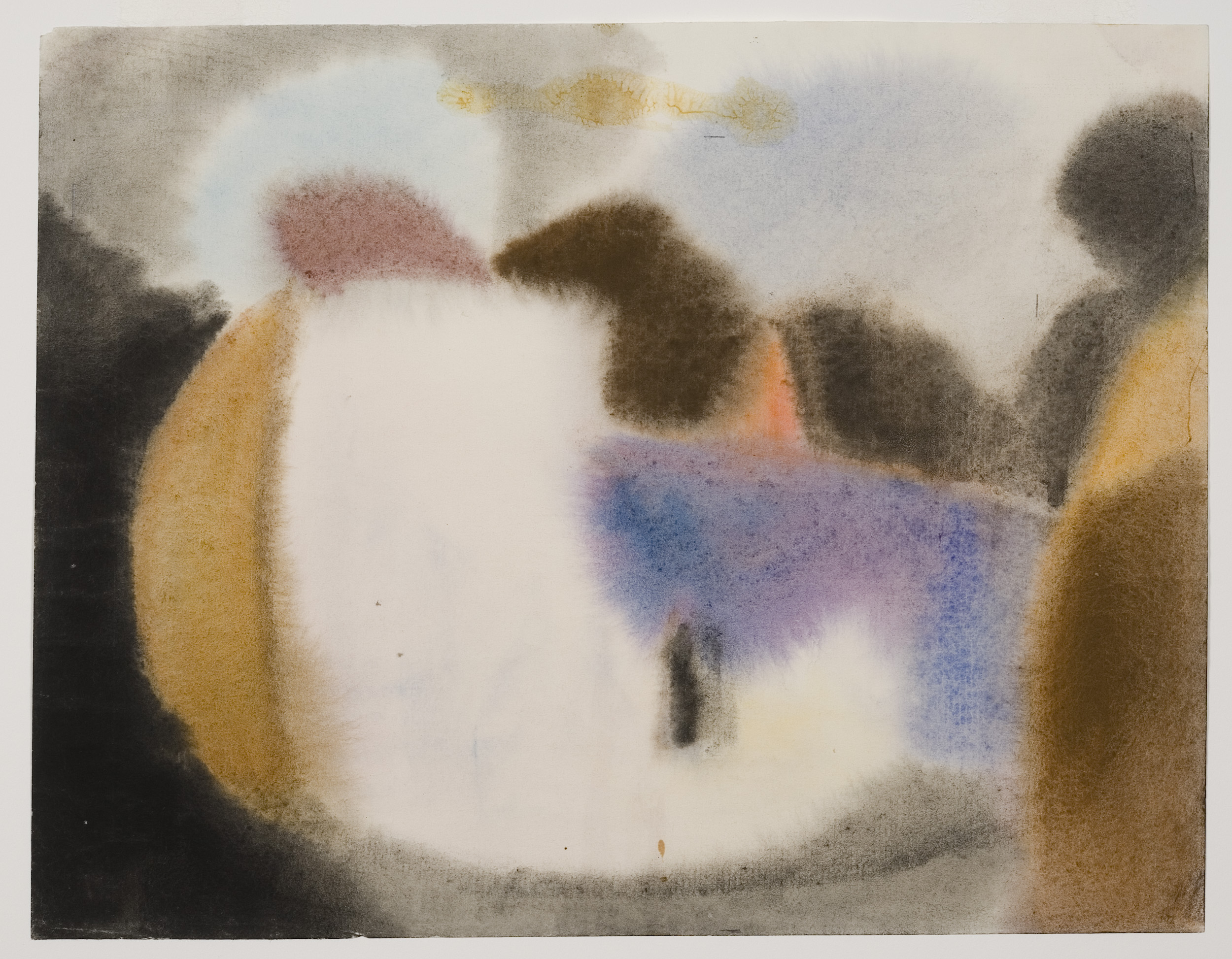
Rustam Khalfin, Almaty “Ronchamps,” 1986. Watercolor on paper, 24.5 x 31.5 cm (9 5/8 x 12 3/8 in.). Purchased with funds donated by Norton Dodge and Nancy Dodge. 2000.0752.
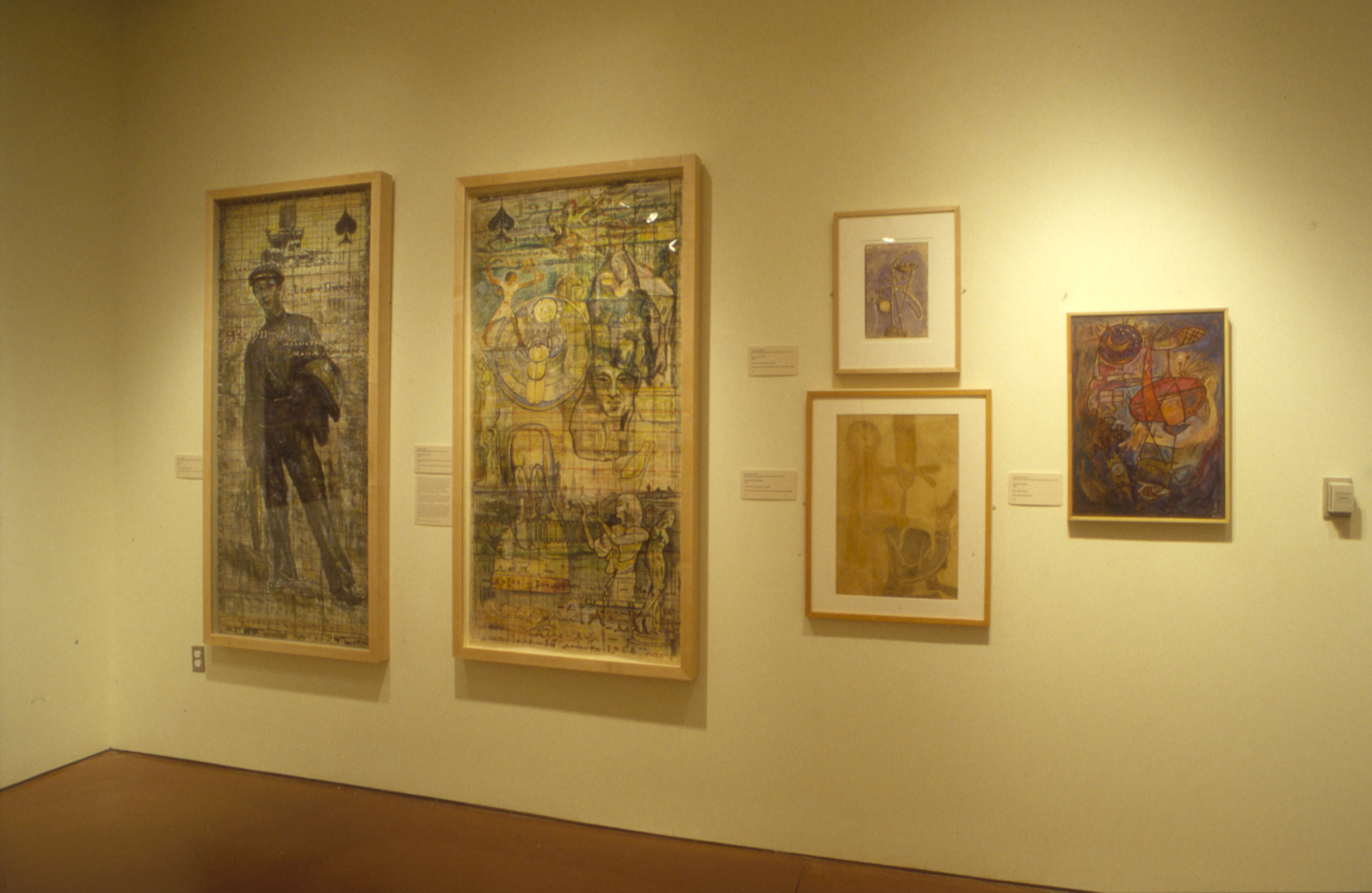
Installation photo featuring artworks from the exhibition New Acquisitions from Central Asia.
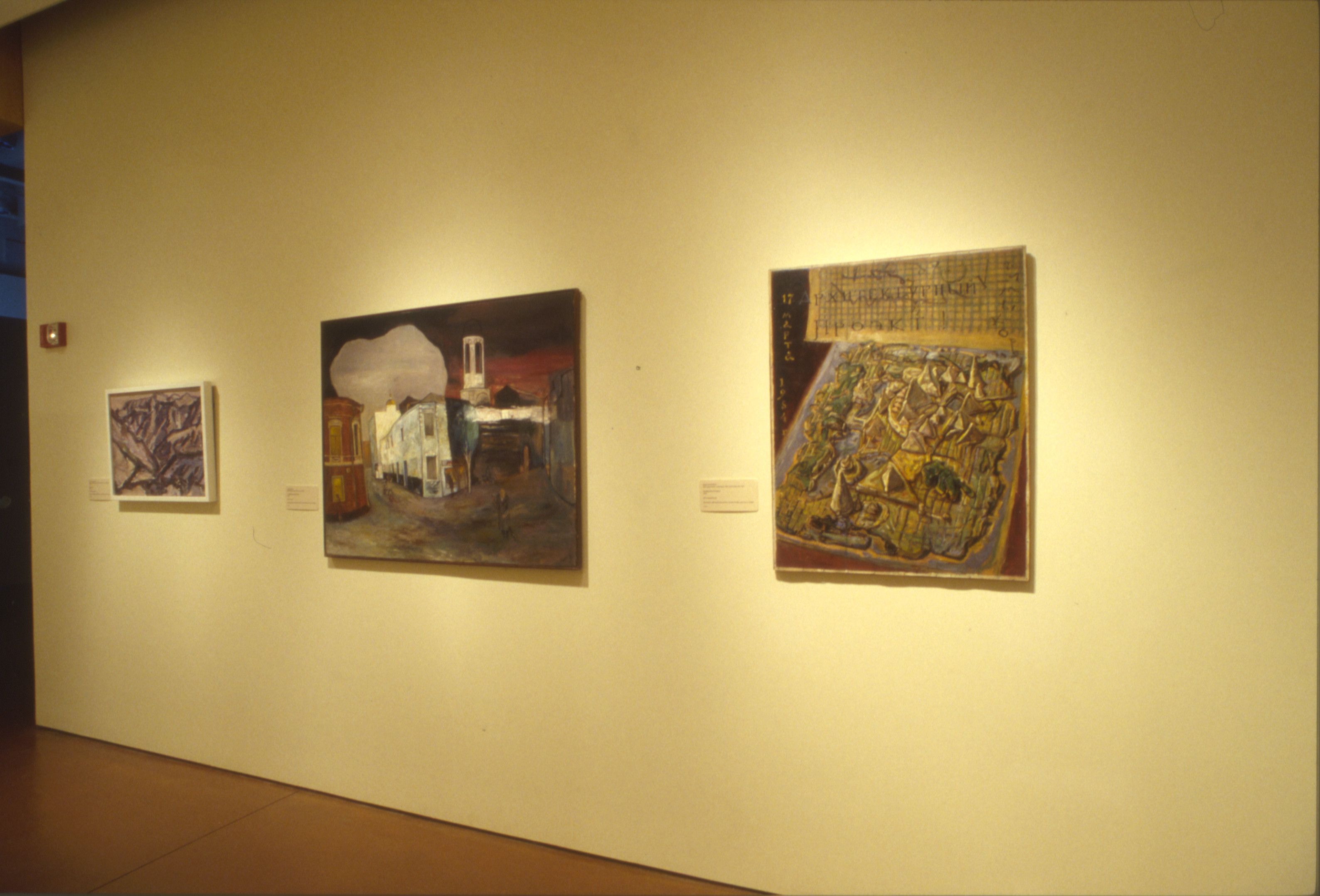
Installation photo featuring artworks from the exhibition New Acquisitions from Central Asia.
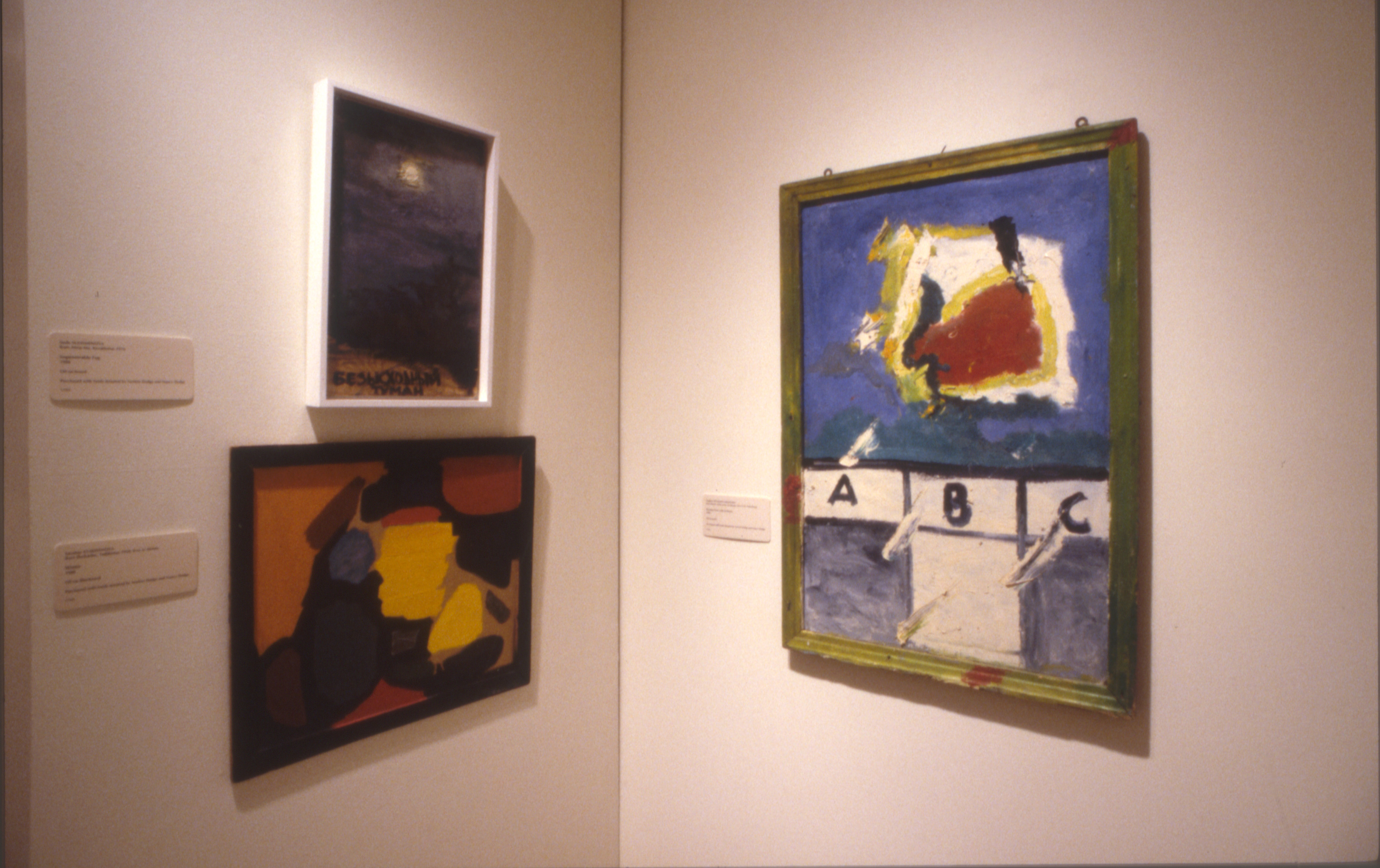
Installation photo featuring artworks from the exhibition New Acquisitions from Central Asia.
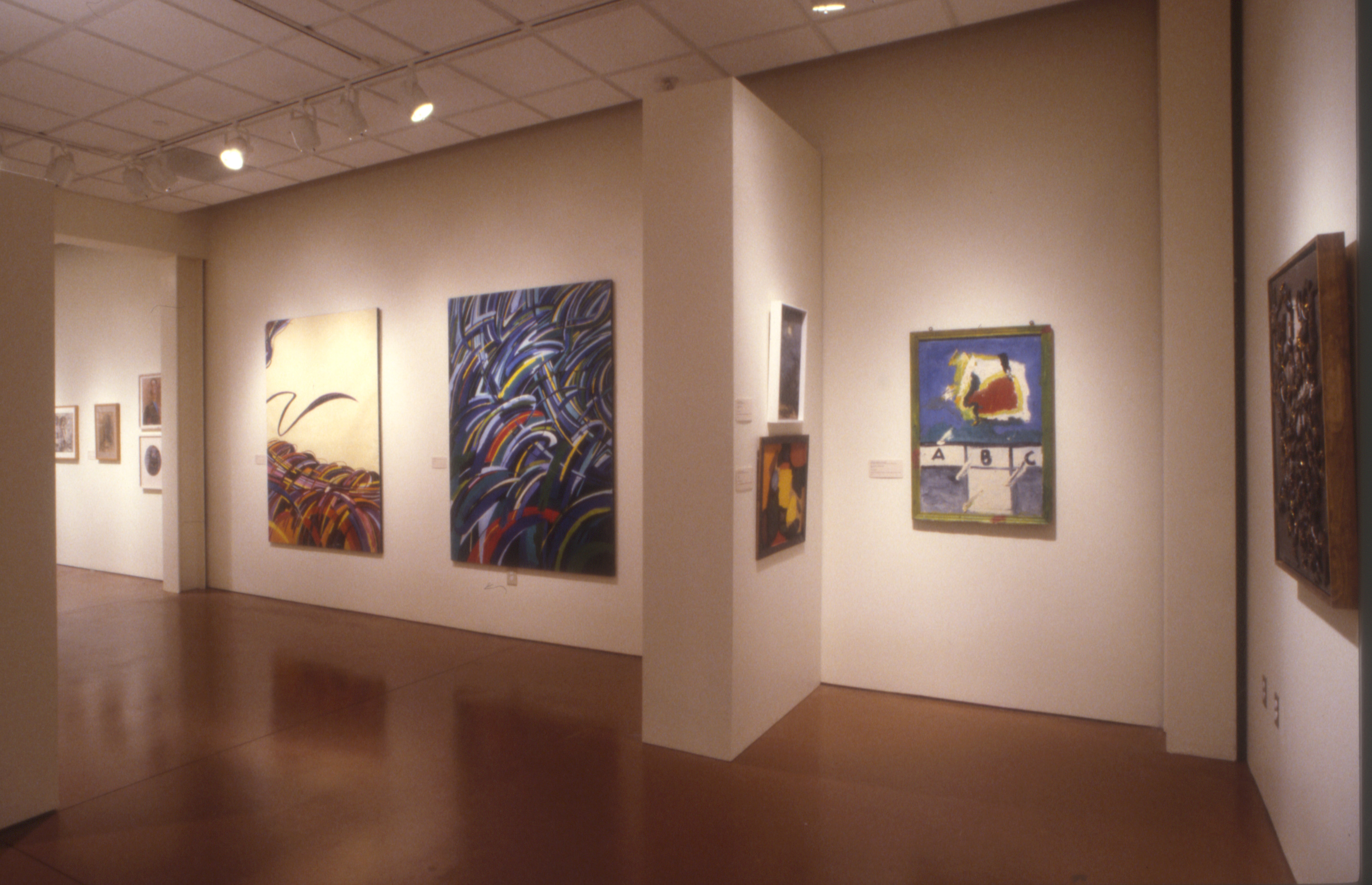
Installation photo featuring artworks from the exhibition New Acquisitions from Central Asia.
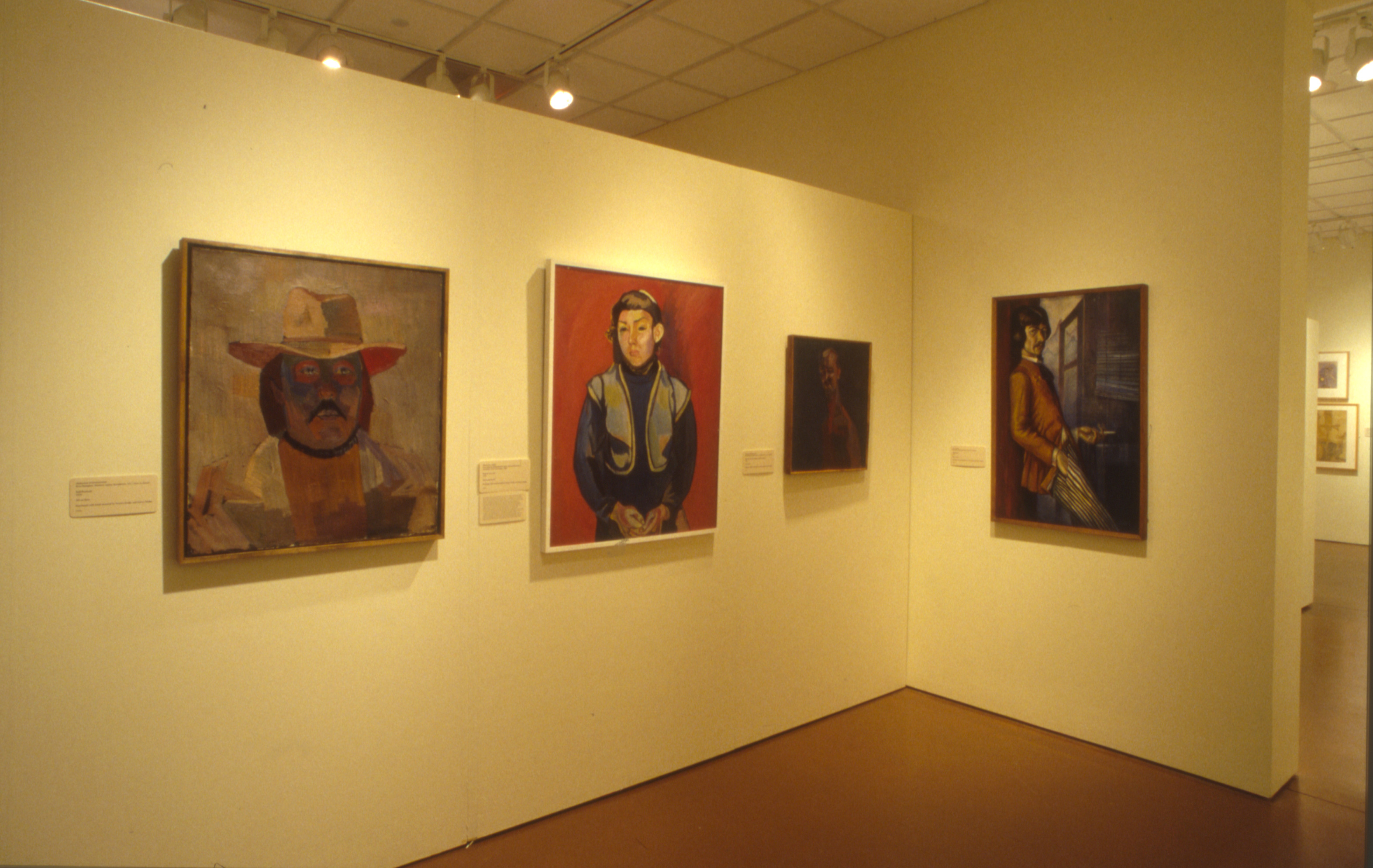
Installation photo featuring artworks from the exhibition New Acquisitions from Central Asia.