Two Masters of Lithuanian Photography: Antanas Sutkus and Rimantas Dichavicius
Experimental photography in the Baltics played an important and complex role in the nonconformist art movement of the Soviet Union. Soviet censors regarded photography as less significant than literature, cinema, or painting, and, as a result, it enjoyed greater freedom. Socially critical pictures by Lithuanian photographers were sometimes accepted at exhibitions because they often carried “ideologically correct” titles and were diluted by the “idyllic” works of their official colleagues. During the 1960s and 1970s, works by Antanas Sutkus and Rimantas Dichavicius represented the progressive, more experimental tendencies of Soviet photography in opposition to socialist realist conventions.
Sutkus was one of the co-founders of the Association of Lithuanian Photographers—the first and for a long time the only such society in the USSR—which became a mecca for the photographers of the entire Soviet empire. Sutkus’s photographs showed life in Lithuania with its everyday realities revealing the hard truth about the life of its people and exposing the frugality of their surroundings.
In contrast, Dichavicius reinterprets the classical nude against and within the Lithuanian landscape. It is a remarkable endeavor considering that eroticism was one of the forbidden themes in Soviet official art and that nude photography had not been officially published since the early years of the Soviet system.
Curated by Alla Rosenfeld and Jeremy Canwell.
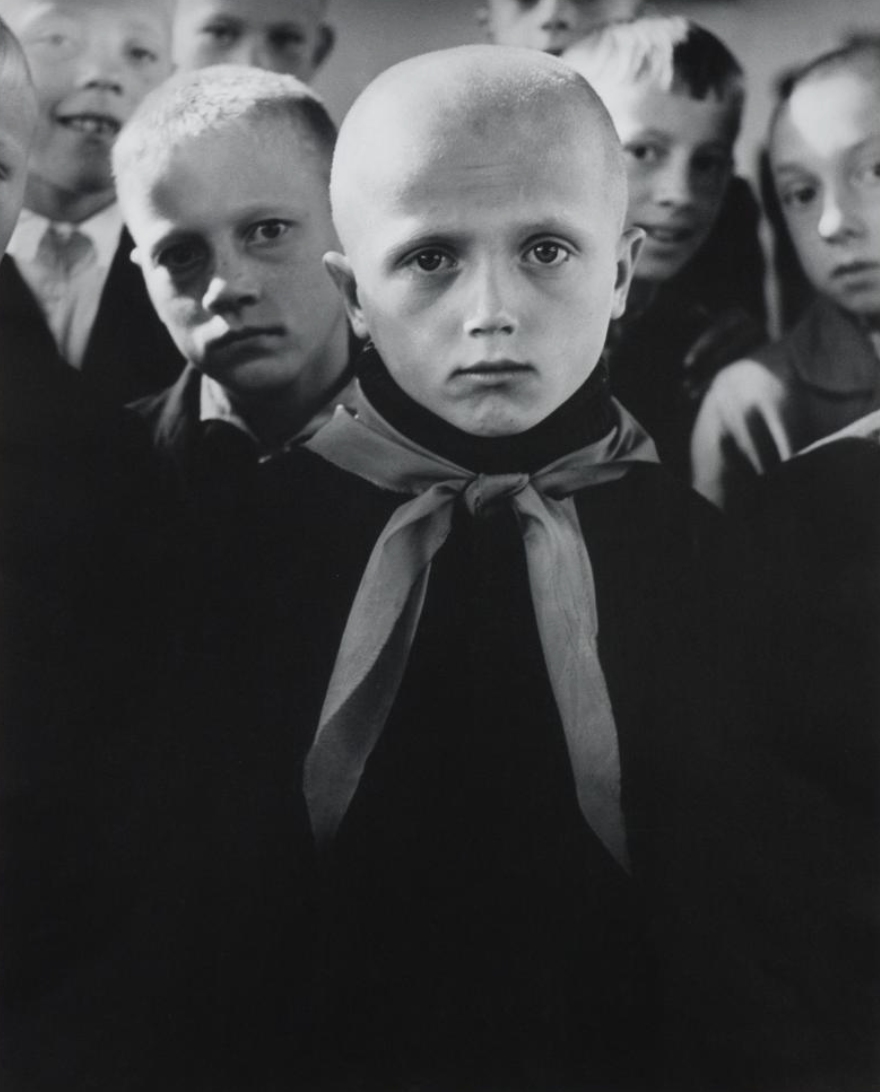
Antanas Sutkus, Pioneer, 1964. Photograph on paper, 49.5 x 40.1 cm (19 1/2 x 15 13/16 in.). Norton and Nancy Dodge Collection of Nonconformist Art from the Soviet Union. 2000.1398